Top Signs Your Roof Needs Storm Damage Repair
- Andres Corona
- 3 days ago
- 5 min read

Storms can wreak havoc on your home, and one of the most vulnerable parts of your property is the roof. After a storm, it’s crucial to assess any potential damage to ensure your home remains safe and secure. Ignoring roof damage can lead to more significant issues down the line, including leaks, mold, and structural problems. In this post, we will explore the top signs that indicate your roof may need storm damage repair.
Understanding Storm Damage
Before diving into the signs of storm damage, it’s essential to understand what types of storms can affect your roof. Heavy rain, hail, strong winds, and snow can all cause different types of damage. Each type of storm can leave unique signs that indicate your roof needs attention.
Types of Storm Damage
Wind Damage: High winds can lift shingles, causing them to break or blow off entirely. This can expose the underlying layers of your roof to the elements.
Hail Damage: Hail can create dents and punctures in shingles, leading to leaks and water damage.
Water Damage: Prolonged exposure to heavy rain can lead to leaks, especially if your roof has existing vulnerabilities.
Snow and Ice Damage: Accumulated snow can add significant weight to your roof, while ice dams can prevent proper drainage, leading to leaks.
Signs of Roof Damage
After a storm, it’s important to inspect your roof for any signs of damage. Here are some key indicators that your roof may need repair:
Missing or Damaged Shingles
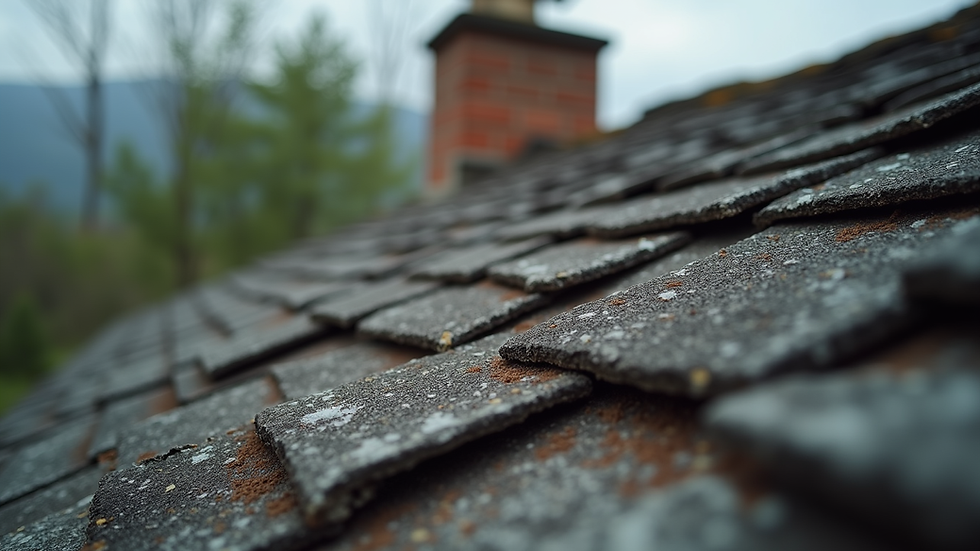
One of the most obvious signs of roof damage is missing or damaged shingles. If you notice that some shingles are missing or have cracks, it’s essential to address this issue promptly. Missing shingles can lead to leaks and further damage to your roof structure.
Granule Loss
Shingles are coated with granules that protect them from UV rays and weather elements. If you find granules in your gutters or on the ground around your home, it may indicate that your shingles are deteriorating. This loss of granules can lead to reduced effectiveness and lifespan of your roof.
Leaks and Water Stains
Water stains on your ceiling or walls are a clear sign that your roof may have a leak. If you notice any discoloration or damp spots, it’s crucial to investigate further. Leaks can lead to mold growth and significant structural damage if not addressed quickly.
Sagging Roof Deck
A sagging roof deck can indicate serious structural issues. This may be caused by water damage or the weight of accumulated snow. If you notice any sagging, it’s essential to contact a professional immediately to assess the situation.
Clogged Gutters
After a storm, check your gutters for debris, such as leaves and branches. Clogged gutters can prevent proper drainage, leading to water pooling on your roof. This can cause leaks and other damage over time.
Interior Damage
Inspect the interior of your home for any signs of damage. Look for peeling paint, mold, or dampness in the attic or upper floors. These signs may indicate that water is entering your home due to roof damage.
Conducting a Roof Inspection
If you suspect your roof has been damaged, it’s essential to conduct a thorough inspection. Here’s how to do it safely:
Safety First
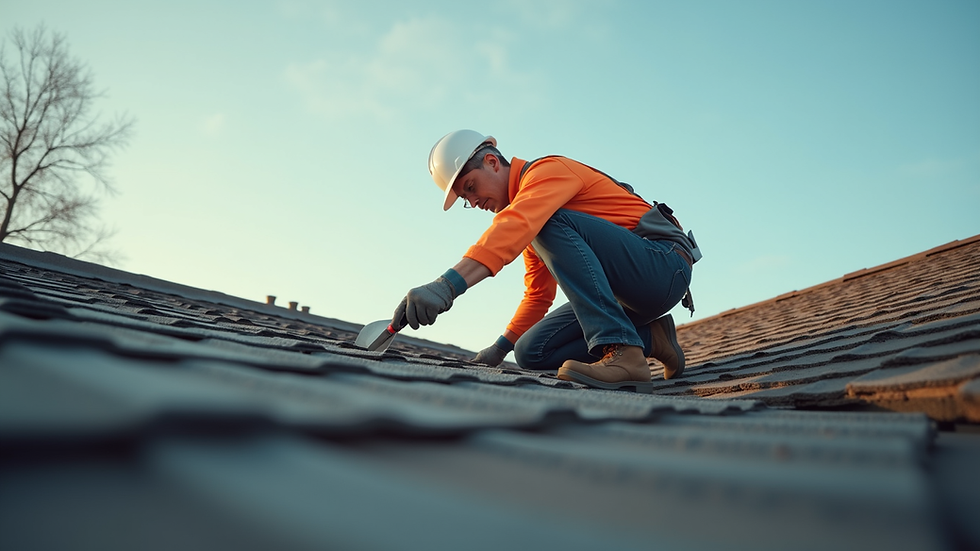
Before climbing onto your roof, ensure you have the proper safety equipment. Use a sturdy ladder and wear non-slip shoes. If you’re uncomfortable inspecting your roof yourself, consider hiring a professional.
Visual Inspection
Start by visually inspecting your roof from the ground. Look for any obvious signs of damage, such as missing shingles or sagging areas. Use binoculars for a closer look if needed.
Check the Attic
Next, head to your attic and check for any signs of water damage. Look for leaks, mold, or damp insulation. This can help you identify if there are any issues that need immediate attention.
Document Findings
Take photos of any damage you find. This documentation can be helpful when filing an insurance claim or discussing repairs with a contractor.
When to Call a Professional
If you notice any signs of damage during your inspection, it’s time to call a professional roofing contractor. They can provide a more thorough assessment and recommend the best course of action. Here are some situations where you should definitely seek professional help:
Significant Damage: If you find extensive damage, such as large areas of missing shingles or structural issues, a professional should assess the situation.
Leaks: If you notice leaks or water stains, it’s crucial to address these issues immediately to prevent further damage.
Safety Concerns: If you’re uncomfortable inspecting your roof or climbing onto it, it’s best to leave it to the professionals.
The Repair Process
Once you’ve identified damage and contacted a professional, here’s what you can expect during the repair process:
Assessment
The contractor will conduct a thorough assessment of your roof to determine the extent of the damage. They will check for leaks, structural issues, and any other concerns.
Repair or Replacement
Based on the assessment, the contractor will recommend either repairs or a full roof replacement. Minor damage may only require patching, while extensive damage may necessitate a complete replacement.
Insurance Claims
If your roof damage is due to a storm, your homeowner’s insurance may cover the repairs. The contractor can assist you in filing a claim and provide the necessary documentation.
Timely Repairs
It’s essential to address roof damage promptly. Delaying repairs can lead to more significant issues and higher costs down the line.
Preventative Measures
To minimize the risk of storm damage in the future, consider implementing some preventative measures:
Regular Inspections
Schedule regular roof inspections, especially after severe weather events. This can help catch any potential issues before they become significant problems.
Maintain Gutters
Keep your gutters clean and free of debris. This will ensure proper drainage and prevent water from pooling on your roof.
Trim Overhanging Branches
If you have trees near your home, trim any overhanging branches. This can help prevent damage from falling limbs during storms.
Invest in Quality Materials
When it’s time to replace your roof, consider investing in high-quality materials that can withstand severe weather. Discuss options with your contractor to find the best fit for your home.
Conclusion
Storm damage to your roof can lead to significant issues if not addressed promptly. By being aware of the signs of damage and conducting regular inspections, you can protect your home and ensure its longevity. If you notice any signs of damage after a storm, don’t hesitate to contact a professional for an assessment. Taking action now can save you time, money, and stress in the future. Remember, a well-maintained roof is your first line of defense against the elements.

Comments